
Does Vehicle Signage Damage Paint? Facts for Brisbane Drivers
For many Brisbane business owners, a vehicle is one of the most significant investments on the books. Whether it is a single Hilux for a local sparky or a fleet of delivery vans servicing the CBD, keeping that asset in top condition is a priority.
When you start looking into vehicle signage, a common concern often pops up: “Is this going to ruin my paintwork?” It is a fair question. After all, you are sticking adhesive film over a factory finish. The good news is that, when done correctly, vehicle signage doesn’t just “not damage” your paint—it actually acts as a protective layer.
Here is everything Brisbane drivers need to know about the relationship between vinyl and paintwork.
The Reality: Signage as a Protective Shield

It might feel counterintuitive to think that sticking something onto your car protects it, but that is exactly what high-quality vinyl does. Think of a vehicle wrap or professional signage as a sacrificial layer.
In the harsh Brisbane climate, your paint is constantly under attack from:
- UV Radiation: The intense Queensland sun eventually breaks down the clear coat of your paint, leading to oxidation and fading.
- Road Debris: Small stones, grit from roadworks, and general grime can cause micro-chips.
- Environmental Contaminants: Bird droppings and tree sap (especially from those beautiful but messy Brisbane figs) are highly acidic and can etch into your paint in a matter of days.
A professional wrap takes the brunt of this damage. When you eventually remove the signage, the paint underneath is often in exactly the same condition it was the day the vinyl was applied. This is a massive win for your vehicle’s resale value.
When Does Damage Actually Happen?
If signage is generally safe, why do some people have horror stories? Damage almost never comes from the vinyl itself; it usually stems from one of three factors: surface condition, material quality, or removal technique.
1. Pre-existing Paint Issues
Vinyl is designed to bond to “sound” surfaces. This means factory-original paint (OEM) that is in good condition. If your vehicle has had a cheap “respray” or if the clear coat is already flaking and peeling (common on older cars left in the sun), the adhesive bond might be stronger than the bond between the paint and the metal. When the vinyl is removed, it might take those loose flakes with it.
2. Using the Wrong Materials
Not all vinyl is created equal. There are “promotional” films designed for short-term use (like a 6-month sale) and “long-life” films designed for years on a vehicle. If a short-term film is left on for five years in the Brisbane heat, the adhesive can become “baked” and overly aggressive, making it much harder to remove safely.
3. “DIY” Removal Mistakes
This is where the most damage occurs. We often see people trying to remove old signage with metal scrapers, harsh industrial chemicals, or by “dry peeling” brittle vinyl in the cold. These methods can easily scratch the clear coat or leave behind a stubborn residue that requires aggressive scrubbing to move.
Why Brisbane’s Sun is a Factor
In cooler climates, you can get away with a lot more. In Brisbane, our vehicles are essentially sitting in a giant oven for several hours a day. This heat accelerates the chemical process of the adhesive.
For Brisbane drivers, we generally suggest keeping an eye on the age of your signage. While a wrap might be rated for 7 years in Europe, our “Zone 3” UV levels mean that after 4 or 5 years, the vinyl has likely done its job. Removing it while it is still supple and “pliable” is the best way to ensure the paint stays perfect.
Softening the Maintenance: A Word on Car Washes
When it comes to keeping your branded vehicle clean, we often get asked about car washes. While modern automatic car washes are incredibly convenient, they can be a little tough on the edges of vinyl graphics.
We aren’t saying you should never use them, but if you want your signage to stay looking brand-new for as long as possible, you might find that gentle hand washing is a better approach.
The heavy, high-speed brushes in some automatic systems can occasionally catch the edge of a letter or a “weeded” part of a logo. If you do prefer the convenience of a car wash, choosing a touchless option (one that uses high-pressure water and soap rather than spinning brushes) is a much kinder choice for your vinyl. It is just a small way to help the adhesive stay sealed against the paintwork for the long term.
Tips for a Paint-Safe Signage Experience

If you are about to brand your vehicle, here are a few suggestions to ensure your paintwork stays as pristine as the day you bought the car:
Choose a Professional Installer
A pro knows how to prepare the surface. They use specific cleaners to remove waxes and oils, ensuring the vinyl bonds correctly without needing “extra” glues that might cause issues later. They also know how to trim the vinyl safely without “cutting into” your paint—a common DIY mistake.
Quality over Price
It is always worth asking your signwriter which brand of vinyl they use. Reputable names like 3M, Avery Dennison, or Hexis are engineered specifically for automotive use. They are designed to be “removable” even after years of sun exposure.
Keep it Clean
Dirt and road salt sitting on the edges of your signage can act like sandpaper over time. A quick rinse every now and then keeps the edges of the vinyl clean and prevents “lifting.”
Professional Removal
When it is time for a rebrand or you’re ready to sell the car, consider having the signage removed by a professional. They use controlled heat (heat guns or steamers) and specific citrus-based adhesive removers that soften the bond, allowing the vinyl to glide off without stressing the paint.
The “Ghosting” Myth
Sometimes, after removing signage that has been on a car for years, you might see a “ghost” of the old logo. This isn’t damage to the paint. What has happened is that the vinyl protected the paint underneath from the sun, while the rest of the car’s paint faded naturally.
In this scenario, the paint under the sign is actually the correct colour, and the rest of the car is what has changed! A professional detailer can usually fix this with a light “machine polish” to blend the two areas back together.
Summary: A Win-Win for Your Business
So, does vehicle signage damage paint? The short answer is no. In fact, for the majority of Brisbane businesses, signage is the smartest way to protect your vehicle’s factory finish while you use it for work. By choosing quality materials and being a little mindful of how you wash the vehicle, you can enjoy years of mobile advertising and still have a “like-new” paint job when it’s time to trade in.
If you are worried about the current state of your paintwork, most professional sign shops are happy to do a quick “adhesion test” or inspection before they start. It’s a simple step that gives you total peace of mind before you turn your ute or van into a high-performing marketing tool.
More Posts

Brisbane’s Best Graphic Designers: Why We’re Proud to Be Among the Elite
We’re thrilled to announce that Wild Web Print & Sign has been recognised as one of Brisbane’s best graphic design firms—a testament to our commitment to excellence and over 25 years of design experience.
Why Should I Integrate Instagram With My Business Website?
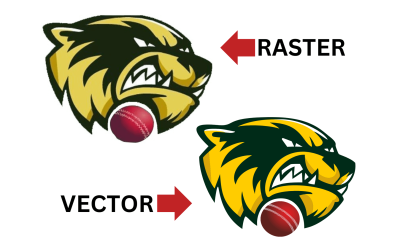
A raster image is made up of a fixed number of individual coloured pixels while vector graphics use mathematically based points, lines, curves and shapes to create graphics. Some common raster graphics file types include PNGs, GIFs and JPEGs. Vector graphics file types include Adobe Illustrator (AI), SVG and EPS.
Vector Image vs Bitmap Image
A raster image is made up of a fixed number of individual coloured pixels while vector graphics use mathematically based points, lines, curves and shapes to create graphics. Some common raster graphics file types include PNGs, GIFs and JPEGs. Vector graphics file types include Adobe Illustrator (AI), SVG and EPS.
LET US PUT THE PUZZLE PIECES TOGETHER
Your one stop shop for all of your business marketing needs
